
DID YOU KNOW?
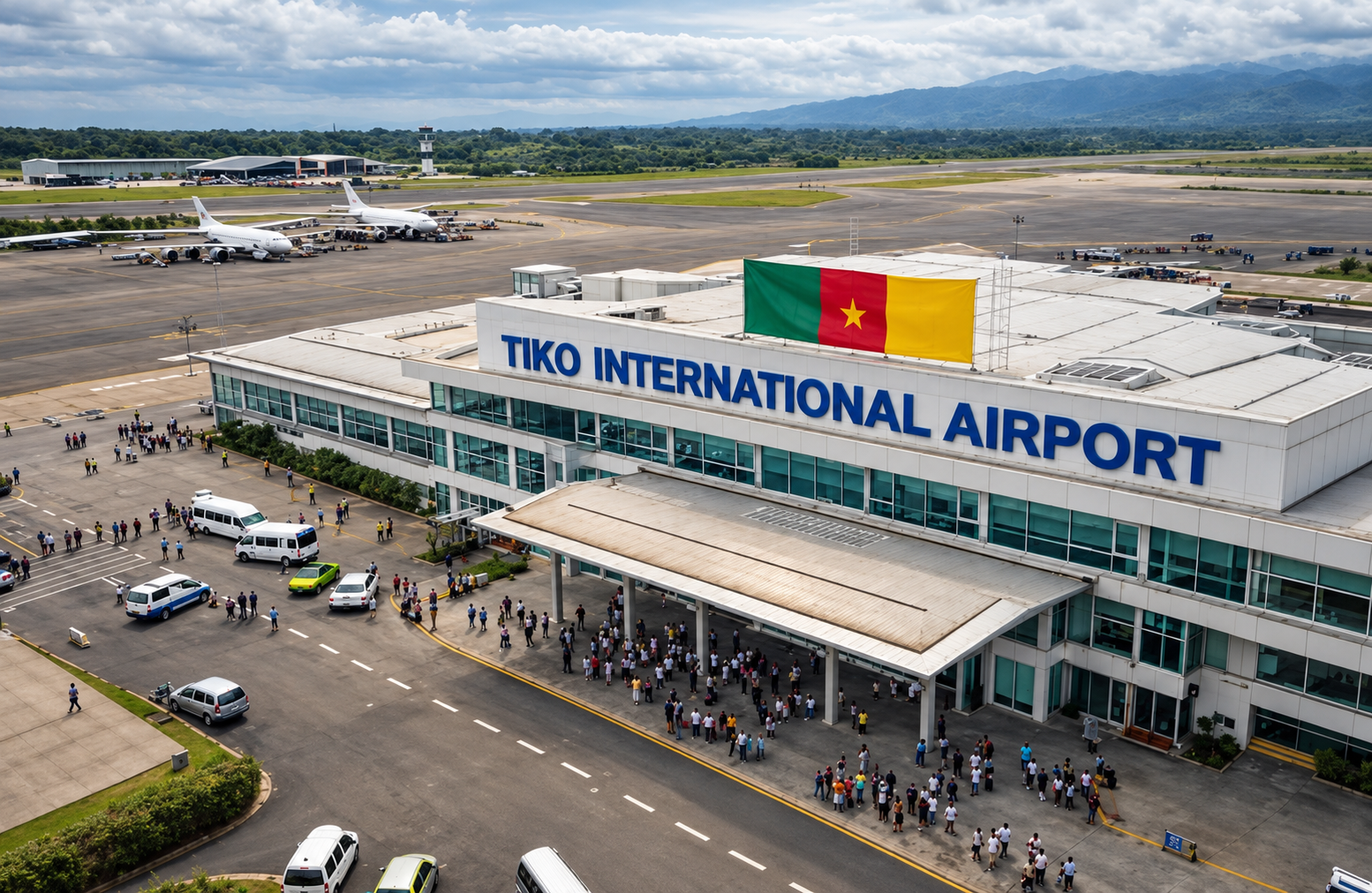
TIKO AIRPORT: THE FORGOTTEN AVIATION HUB OF CAMEROON’S SOUTH WEST REGION
Located in Tiko, in Cameroon’s South West Region, Tiko Airport was once an important transport link serving the area’s commercial activities, plantation economy, government officials and surrounding communities.
But what happened to an airport that once played a role in the region’s economic life?
FROM COMMERCIAL IMPORTANCE TO DECLINE
Tiko’s historical importance was closely linked to the economic activities of the former West Cameroon, particularly the plantation industry and trade. Air transport offered a connection for businesspeople, officials and other travellers in a region with significant agricultural and commercial interests.
However, following Cameroon’s reunification and the abolition of the federal system in 1972, the country’s administrative and economic structures underwent major changes. Over time, commercial air services became increasingly concentrated around major aviation hubs, particularly Douala, while Tiko Airport gradually lost its former relevance.
Limited maintenance and the absence of sustained rehabilitation further contributed to concerns about the airport’s future.
🇨🇲 A SYMBOL OF REGIONAL NEGLECT?
For some observers, the decline of Tiko Airport represents more than the deterioration of an old transport facility. They view it as part of a broader debate about the economic development of the South West Region and the distribution of public investment across Cameroon.
Some critics have linked the airport’s decline to the centralisation of power and economic activity following the end of federalism under former President Ahmadou Ahidjo.
However, claims of deliberate economic sabotage require specific evidence. The airport’s decline alone does not establish that it was intentionally abandoned for political or economic reasons.
COULD TIKO AIRPORT MAKE A COMEBACK?
Today, the question of reviving Tiko Airport raises important discussions about infrastructure, employment, tourism, agricultural trade and regional economic development.
A rehabilitation project could potentially improve connectivity and create new opportunities for businesses and communities. However, its feasibility would depend on infrastructure assessments, passenger demand, investment, safety requirements and a sustainable operating plan.
The bigger question is whether restoring the airport could become part of a wider strategy to unlock the economic potential of the South West Region.
Do you believe reviving Tiko Airport could help restore the economic strength of the South West Region, or should Cameroon prioritise other transport infrastructure projects?
Drop your thoughts in the comments.






Leave A Comment