
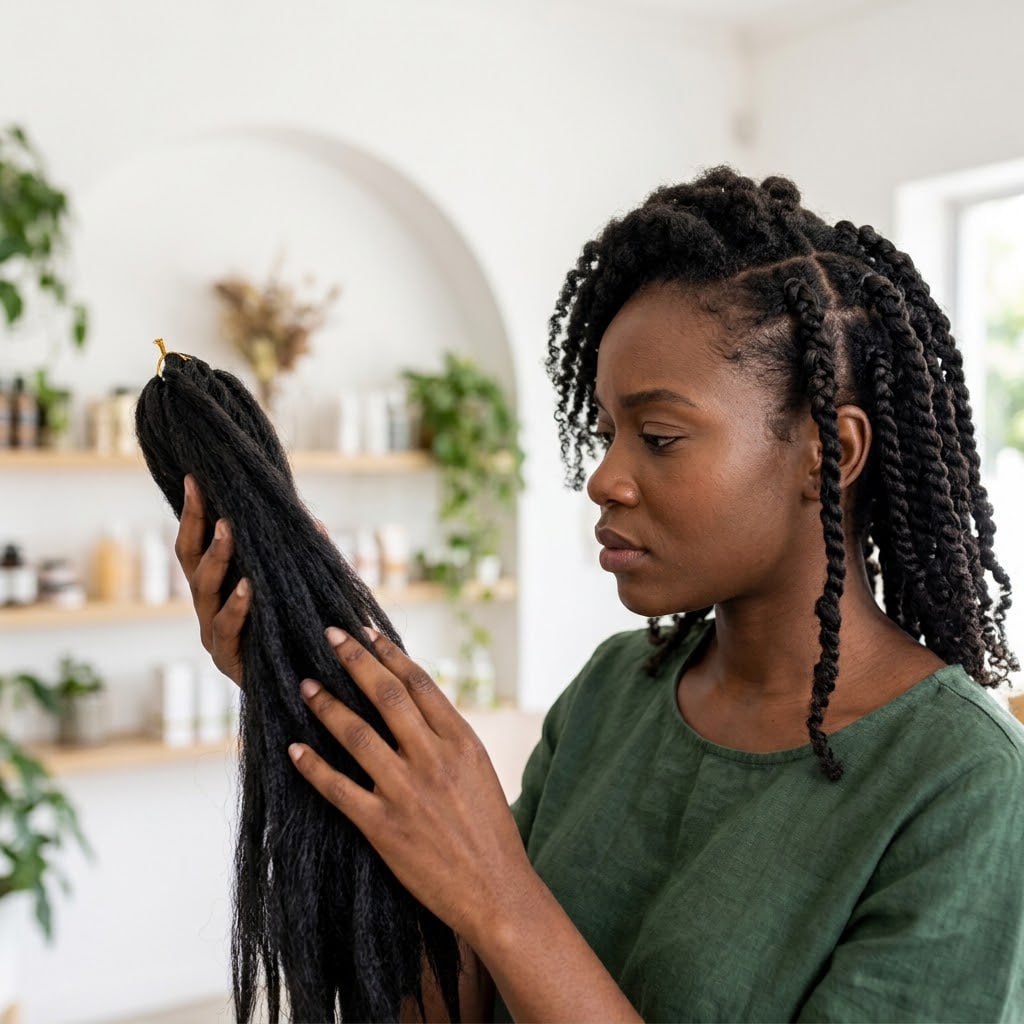
POISON IN OUR MÈCHES: How Synthetic Hair Sold to Black Women (also in Cameroon) Is Loaded with Cancer-Causing Chemicals and Lead
From the busy salons in Mokolo and Marché Central to neighbourhood hairstylists across Douala, Yaoundé, Buea, and Bamenda, installing mèches, whether for rastas, knotless braids, or twists is a regular routine for millions of Cameroonian women. It is affordable, practical, and saves natural hair from daily stress. But a shocking laboratory investigation reveals that the synthetic extensions packed in our local beauty shops carry dangerous, unregulated poisons.
The Alarming Test Results
A laboratory testing investigation by Consumer Reports analyzed synthetic braiding hair fibers commonly imported and sold worldwide, including the fiber types widely distributed across Central Africa. The findings are alarming:
100% Contained Cancer-Causing Chemicals: Every single brand tested positive for hazardous chemical compounds known to cause cancer.
Massive Lead Levels: 9 out of 10 products contained heavy lead, exceeding safe health limits by 600%.
Dangerous Fumes and Irritants: All tested fibers emitted volatile organic compounds (VOCs)—industrial chemicals that irritate the lungs and skin.
Why the Risk Is Higher in Cameroon
In our tropical climate—especially under the intense heat and humidity of coastal cities like Douala or the dry heat up north—scalp sweat and open pores speed up chemical absorption. When synthetic hair sits tightly bound to the scalp for four to six weeks, body heat and natural oils break down the chemical coatings on the fibers, allowing toxins to seep directly into the skin.
Furthermore, imported synthetic hair bundles rarely undergo rigorous chemical testing before hitting open-air markets. Because these fibers are sold as accessories rather than cosmetics, they bypass strict health inspections.
The Truth Behind the “Mèche Itch”
In Cameroon, it is common to hear women complain about intense burning, severe itching, and bumps on the nape or scalp just days after fixing mèches. For years, this was blamed on tight braiding or sensitive skin, and treated simply with menthol hair food, methylated spirit, or oils.
The reality is far more serious: that burning sensation is often a direct reaction to industrial chemical coatings and flame retardants. Prolonged exposure can trigger migraines, persistent scalp inflammation, and chronic internal toxic buildup.
How to Protect Your Health in Cameroon
You do not have to abandon protective styling entirely, but taking precautions is critical:
The ACV Detox Bath: Before taking your packs of mèches to the salon, soak the hair in a basin of warm water mixed with one cup of Apple Cider Vinegar (available in supermarkets like Dovv, Carrefour, Mahima, or local pharmacies) for 20–30 minutes. You will see a cloudy white film rise to the top—that is the chemical coating. Rinse thoroughly with clean water and let it air dry completely before braiding.
Opt for Traditional & Natural Styles: Revisit traditional African threading (coiffure au fil), natural hair cornrows, or flat twists using natural shea butter and palm kernel oil.
Invest in Reusable Human Hair: While human hair extensions require a higher upfront cost, they contain no synthetic flame retardants and can be washed and reused for years.
Beauty should never put your long-term health at risk. It is time for Cameroonian women to demand clean beauty products, and to take simple steps to detox every single pack of hair before it touches the scalp.










Leave A Comment