
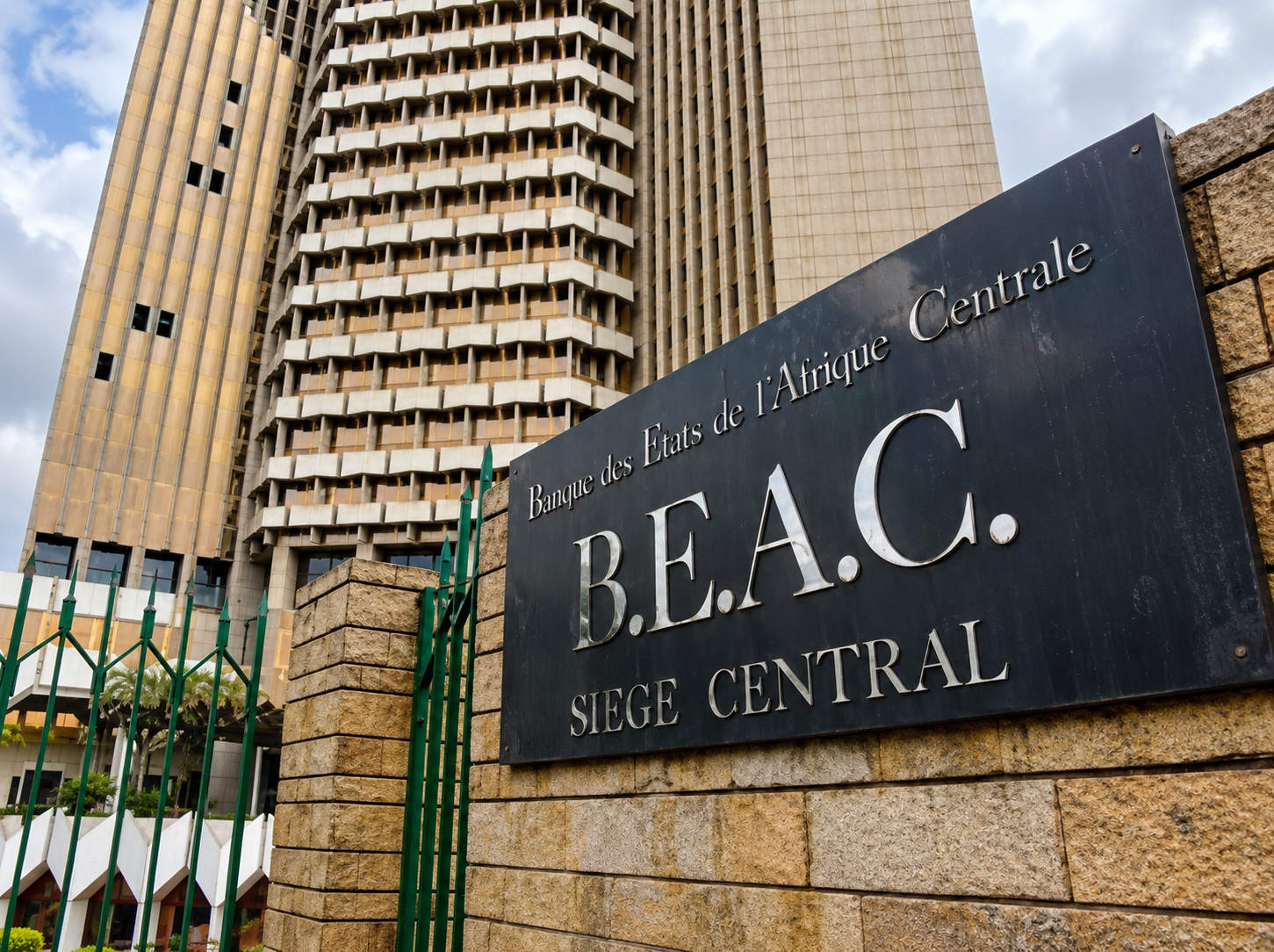
BEAC’s Old Coins Phase-Out: Do Cameroonians Really Understand the Message?
Since the announcement of the withdrawal of older coins from circulation, confusion has spread across Cameroon, triggering disputes among traders, taxi drivers, and customers. Many citizens are now hesitant to accept certain coins, fearing they could lose their money if they receive the older versions.
In markets and on the streets, everyday transactions are increasingly becoming a source of tension. A passenger heading to Buea Town who tells a taxi driver they have a 500 FCFA coin may immediately be asked, “Which 500?” The question reflects growing anxiety over the validity of older coins, with some traders and transport operators refusing to accept them altogether.
But amid the confusion, an important question arises: Have Cameroonians truly understood the message communicated by the Bank of Central African States (BEAC) and other financial authorities?
Old Coins Remain Valid Until October 31, 2026
The BEAC, which oversees monetary policy and currency management across the Central African Economic and Monetary Community (CEMAC), announced the gradual withdrawal and demonetisation of older coin series issued in 1958, 1959, 1971, 1976, and 1985.
However, the announcement does not mean these coins have immediately become worthless or should no longer be accepted in everyday transactions.
According to the transition schedule outlined in the announcement, the affected coins remain legal tender until October 31, 2026. This means they can still be used to pay for goods and services, including market purchases and taxi fares, until that deadline.
The premature rejection of these coins is therefore contributing to unnecessary disputes and making daily transactions more difficult for citizens who still possess them.
What Happens After October 31?
The withdrawal process is scheduled to take place in several stages, giving holders of the affected coins time to exchange them.
From November 1, 2026, to July 31, 2027, citizens will be able to exchange the old coins free of charge at commercial banks, microfinance institutions, and BEAC counters.
Between August 1 and October 31, 2027, the exchange process will be restricted to official BEAC counters. After October 31, 2027, the exchange operation is scheduled to end permanently, meaning the affected coins will no longer be exchangeable under the announced arrangement.
This timeline is intended to facilitate an orderly transition from older coin series to newer ones while giving the public sufficient time to exchange the affected currency.
Why Are Citizens Rejecting the Coins Already?
The growing reluctance to accept older coins appears to stem largely from fear, uncertainty, and a misunderstanding of the withdrawal timeline.
When people believe that accepting an old coin could leave them with money they cannot use, they naturally become cautious. However, when this fear spreads without a clear understanding of the official deadlines, it can disrupt commerce and create unnecessary hardship.
Market vendors may refuse payments, taxi drivers may decline fares, and customers may struggle to complete ordinary transactions. In the end, the confusion affects everyone, particularly people who depend on cash for their daily activities.
The Public Needs Clearer Information
The situation highlights the importance of public awareness and effective communication during changes to the currency system. Financial authorities, local administrators, community leaders, and the media all have a role to play in ensuring that citizens understand what the transition means and when the deadlines take effect.
For now, the key message is simple: under the announced schedule, the affected older coins remain valid until October 31, 2026. Holders should also take note of the subsequent exchange periods and use the designated exchange points within the applicable deadlines.
Rather than allowing fear to fuel arguments in markets and taxis, citizens should seek clarification from official sources and share accurate information with others.
Conclusion
The withdrawal of older coins is a currency transition, not an immediate cancellation of every affected coin in circulation. Understanding the timeline is essential to preventing unnecessary financial anxiety and keeping everyday transactions running smoothly.
As Cameroon approaches the October 31 deadline, the question is no longer simply whether old coins will be withdrawn, but whether the public has received and understood the information needed to navigate the change calmly and responsibly.
Note: The dates and coin series stated in this article should be checked against the latest official BEAC announcement before publication.










Leave A Comment